


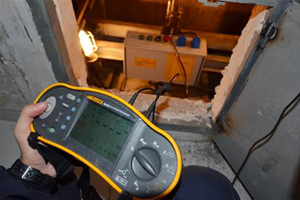
The most widely used elevator design is steel rope elevators. In this method, the cab is pulled up using steel ropes instead of being pushed from the bottom. Again with the help of steel ropes the elevator goes down. Steel ropes are connected to the elevator car by means of pulleys. When the reel turns, the ropes move.
This pulley is connected to an electric motor. This electric motor rotates the pulley. Depending on the forward or reverse rotation of the engine, the steel ropes pull or lower the cab. Said pulley, electric motor and the system controlling them are located on the body of the elevator.
The weight outside the elevator car and the elevator car move along the rails on the sides along the elevator's travel path. These rails prevent the weight and cab from swinging back and forth. At the same time, these rails work together with security systems to stop the cab in an emergency.
Steel cable elevators are much more efficient and safer than hydraulic elevators. They have more advanced safety systems. However, to ensure that elevators do not endanger the lives and property of people, the Elevator Maintenance and Operation Regulation has been issued. This regulation covers the rules that must be followed for the operation, maintenance, periodic inspections, warranty conditions, and after-sales services of elevators.
In addition, the Regulation on Health and Safety in the Use of Work Equipment describes the conditions that must be complied with for the safe and healthy use of elevators. Accordingly, man and load-bearing elevators should be checked at least once a year unless another time is stipulated in the relevant standards.
In the annex (Annex 3) of the regulation, titled "Maintenance, Repair and Periodic Inspections," elevators are classified under the group of lifting and conveying equipment . Accordingly, inspections and examinations must be carried out by mechanical engineers, mechanical technicians, or senior mechanical technicians. Furthermore, the electrical components of elevators must be inspected by authorized personnel.
During the periodic inspection of electric elevators, the following basic standards are also considered:
- TS EN 81-3 + A1 Lifts - Safety regulations for construction and assembly - Part 3: Electrical and hydraulic service lifts
- TS EN 13015 + A1 Maintenance of elevators and escalators - Rules for maintenance instructions
- TS ISO 9386-1 Power-driven lifting platforms for handicapped people - Safety, dimensions and rules for functional operation - Part 1: Vertical lifting platforms
- TS ISO 9386-2 Power-driven lifting platforms for mobility-impaired people - Safety, dimensions and functional requirements - Part 2: Power-driven stair lift for moving users, standing users and wheelchair users in a tilted plane
TÜRCERT certification body also provides testing and inspection services to organizations in need . If you would like more information about periodic inspections of electric elevators or wish to have these inspections and controls carried out, TÜRCERT, with its experienced managers and employees, is ready to provide all the necessary services to organizations in every sector.